The Art of Authentic Connection: Why Handwritten Typography Like Bold Is Reshaping Brand Identity
In an era defined by digital saturation and algorithmic precision, the human touch has become a scarce and valuable commodity. For professionals, creators, and entrepreneurs, the challenge is no longer just about visibility; it is about resonance. Audiences are increasingly skeptical of polished, corporate perfection, seeking instead brands that feel authentic, approachable, and distinctly human. This shift in consumer psychology has propelled a significant trend in visual communication: the resurgence of handwritten typography. At the forefront of this movement is Bold, a lovely and brushed handwritten font that serves as more than just a typeface—it is a strategic tool for emotional engagement.
Defining Bold: More Than Just Aesthetics
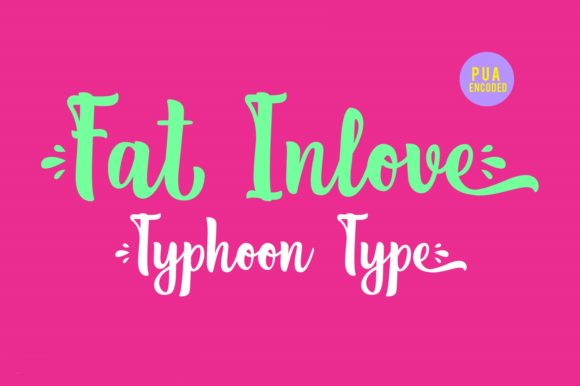
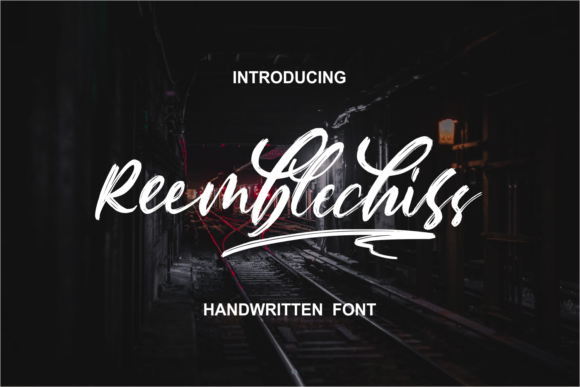
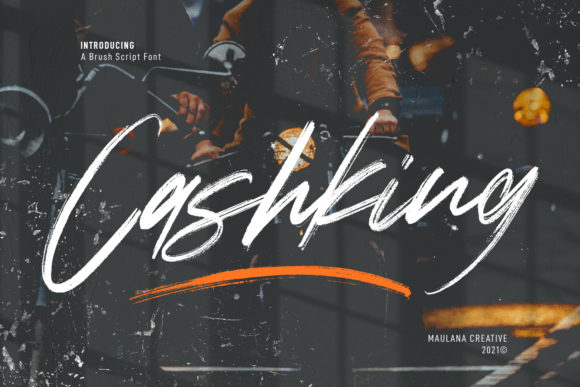
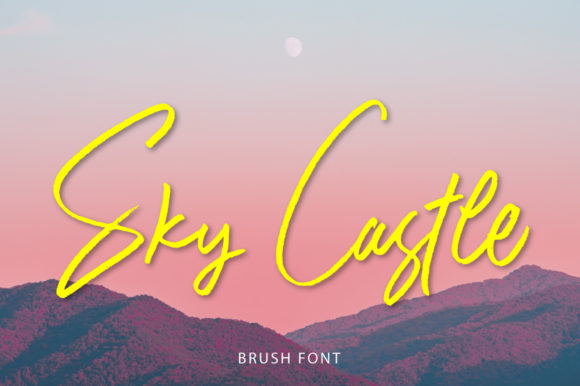
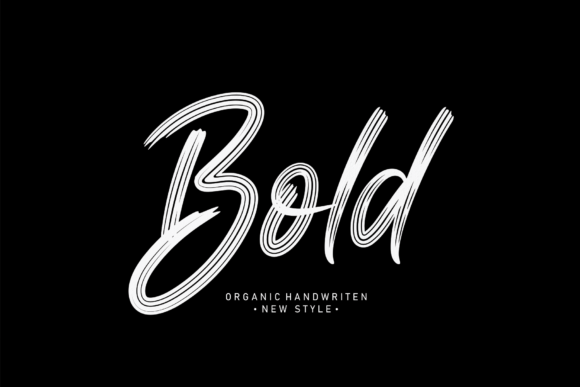
To understand the impact of Bold, one must first look beyond its visual appeal. Bold is a lovely and brushed handwritten font. It is the best choice for creating eye catching logos, branding and quotes. Every letter has a unique and beautiful touch, which will make your design come alive. Unlike rigid sans-serif or traditional serif fonts that convey stability and formality, Bold conveys movement, energy, and personality. The brush strokes imply a hand-held instrument, suggesting that a real person was behind the creation of the message.
This distinction is critical in modern marketing. When a brand uses a font like Bold, it signals a departure from impersonal mass production. It suggests craftsmanship and care. For freelancers and small business owners, this typographic choice can bridge the gap between a solitary operation and a trusted, relatable entity. The uniqueness of each letterform ensures that the design does not feel templated, offering a bespoke quality that resonates with high-end consumers who value exclusivity and artistry.
The Market Shift Toward Human-Centric Design
The rising popularity of fonts like Bold is not an isolated aesthetic preference; it is a reflection of broader market trends. We are witnessing a fatigue with "corporate Memphis" art styles and sterile minimalism that dominated the tech industry for the last decade. As technology becomes more embedded in our daily lives, there is a counter-movement toward warmth and organic forms. This is evident in everything from packaging design to social media graphics.
Consumers are making purchasing decisions based on alignment with values and identity. A brand that utilizes Bold is often perceived as more transparent and friendly. This is particularly relevant for industries such as wellness, artisanal food and beverage, creative coaching, and lifestyle blogging. In these sectors, trust is built through perceived authenticity. A brushed handwritten font acts as a visual shorthand for "handmade" or "personally curated," even if the product itself is digital or mass-produced. It softens the commercial edge, making the brand feel like a partner rather than a vendor.
Enhancing Workflow and Creative Expression
For designers and marketers, integrating Bold into their workflow offers practical advantages beyond mere aesthetics. The versatility of a high-quality handwritten font allows for rapid prototyping of concepts that require an immediate emotional hook. Whether it is for a limited-time offer, a motivational quote on Instagram, or a headline on a landing page, Bold captures attention quickly. Its legibility, combined with its decorative nature, makes it suitable for short-form content where impact is paramount.
Moreover, the use of such fonts encourages a more holistic approach to branding. It forces the designer to consider spacing, color, and complementary typefaces more carefully. Because Bold has strong character, it pairs well with clean, neutral sans-serifs for body text, creating a balanced hierarchy that guides the reader’s eye without overwhelming them. This dynamic interplay between structure and freedom mirrors the modern professional’s desire for flexibility within framework—a key theme in contemporary productivity and creative workflows.
Strategic Applications in Modern Branding
Understanding when and how to use Bold is essential for maximizing its effectiveness. It is not a one-size-fits-all solution, but rather a targeted instrument for specific communication goals. Here are several contexts where this typeface shines:
- Logo Design: For startups and personal brands, a logo using Bold can establish immediate memorability. It distinguishes the brand from competitors who may be using generic geometric icons or standard corporate fonts.
- Social Media Engagement: Quotes and testimonials perform exceptionally well when presented in a handwritten style. The font mimics the intimacy of a personal note, increasing the likelihood of shares and saves. It transforms static text into a visual experience.
- Packaging and Labels: In retail, especially in boutique sectors, the unboxing experience is crucial. Using Bold on packaging inserts or labels adds a layer of premium feel, suggesting that the product was handled with care.
- Event Invitations and Headers: For webinars, workshops, or physical events, handwritten fonts create a sense of occasion and welcome. They reduce the formality barrier, encouraging higher registration and attendance rates.
Each of these applications leverages the core strength of Bold: its ability to humanize digital interactions. In a world where most communication happens via screens, bringing the texture of the physical world into the digital space creates a sensory bridge that enhances user experience.
The Psychology of Imperfection
Why do people pay attention to Bold? The answer lies in the psychology of imperfection. Perfectly aligned, mathematically generated fonts can feel cold and distant. Handwritten fonts, with their slight variations in stroke width and angle, embrace the concept of wabi-sabi—the beauty in imperfection. This resonates with a modern audience that is tired of curated perfection on social media. There is a growing appreciation for raw, real, and relatable content.
When a viewer sees Bold, they subconsciously register the presence of a human hand. This triggers a mirror neuron response, fostering a sense of connection and empathy. For marketers, this is invaluable. It transforms a passive viewer into an engaged participant. The font does not just deliver information; it delivers feeling. This emotional layer is what differentiates a memorable brand from a forgettable one.
Future-Proofing Your Visual Identity
As we look toward the future of design and branding, the demand for authenticity is unlikely to wane. If anything, as artificial intelligence generates more content, the value of human-created aesthetics will increase. Fonts like Bold represent a safeguard against homogenization. They allow brands to maintain a distinct voice in an increasingly noisy digital landscape.
However, adopting this trend requires discernment. It is not about using handwritten fonts indiscriminately. It is about understanding the narrative of your brand. If your brand story is about precision, data, and security, a brushed font may not be appropriate. But if your story is about creativity, community, wellness, or personal growth, Bold is an ideal ally. It aligns your visual identity with your core values, ensuring consistency across all touchpoints.
Furthermore, the technical quality of the font matters. Bold is designed with attention to detail, ensuring that it remains legible at various sizes and weights. This technical robustness ensures that the aesthetic choice does not compromise usability. Good design is always a balance between form and function, and Bold achieves this equilibrium by offering character without sacrificing clarity.
Conclusion: Embracing the Human Element
In conclusion, the choice of typography is a strategic business decision. Bold offers a powerful way to inject humanity into your brand’s visual language. It is a lovely and brushed handwritten font that serves as a catalyst for connection. By choosing Bold, you are not just selecting a font; you are choosing to stand out in a crowd of sameness. You are signaling to your audience that you value authenticity, creativity, and the human touch.
For professionals and entrepreneurs navigating the complexities of modern marketing, embracing tools like Bold is a step toward more meaningful engagement. It allows you to create designs that do not just inform, but inspire. As the market continues to evolve, those who can effectively blend technology with humanity will lead the way. Let your design come alive with the unique and beautiful touch of Bold, and watch your brand resonate on a deeper level with your audience.
To explore how this typeface can transform your next project, consider experimenting with it in your upcoming campaigns. Notice the difference in engagement when you swap a standard header for something with more soul. The results may surprise you, confirming that in the digital age, the most powerful tool we have is our ability to feel human.