Salyat Font: The Whimsical Handwritten Typeface for Modern Creative Design
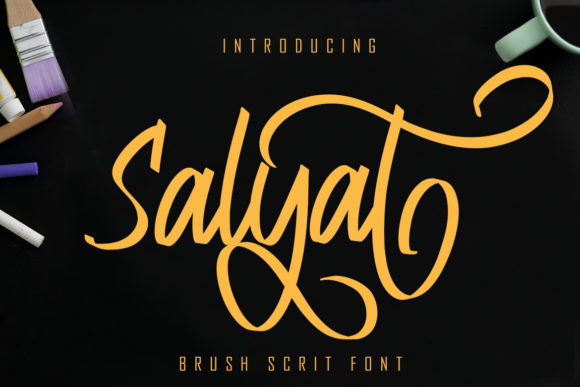
In the vast universe of digital typography, finding a font that strikes the perfect balance between personality and professionalism can feel like searching for a needle in a haystack. Designers, business owners, and hobbyists alike are constantly on the lookout for typefaces that do more than just display text—they want fonts that evoke emotion, tell a story, and create an immediate visual connection with the audience. Enter Salyat, a lovely and whimsical paint-brushed handwritten font that has quickly become a favorite among creative professionals. Whether you are designing a wedding invitation, crafting a unique logo, or printing custom t-shirts, Salyat offers the organic charm of hand-lettering with the precision of modern digital tools.
Understanding the Appeal of Handwritten Typography
Before diving into the specific features of Salyat, it is essential to understand why handwritten fonts have surged in popularity over the last decade. In an era dominated by sleek, minimalist sans-serifs and rigid geometric structures, there is a growing human desire for authenticity. Handwritten typography bridges the gap between the digital and the physical world. It mimics the imperfections, flow, and warmth of actual pen-on-paper writing, which triggers a psychological response of trust and intimacy in the viewer.
However, not all handwritten fonts are created equal. Many suffer from poor legibility or lack the technical sophistication required for professional use. This is where Salyat distinguishes itself. It captures the fluid motion of a paintbrush, offering thick downstrokes and delicate upstrokes that replicate the natural pressure variations of calligraphy. This "paint-brushed" aesthetic gives it a dynamic energy that static fonts simply cannot match, making it an ideal choice for projects that require a touch of artistic flair without sacrificing readability.
The Versatility of Salyat in Design Projects
One of the most significant advantages of Salyat is its incredible versatility. While some decorative fonts are limited to single-use cases, Salyat adapts seamlessly to a wide variety of mediums. Its balanced weight and open letterforms ensure that it remains legible even at smaller sizes, while its distinctive character shines when scaled up for headlines. Here are some of the most effective ways to utilize this typeface:
- Wedding Invitations and Stationery: The romantic and elegant curves of Salyat make it perfect for wedding suites. It pairs beautifully with clean serif fonts for body text, creating a sophisticated contrast that feels both traditional and modern.
- Logo Design and Branding: For businesses in the lifestyle, beauty, food, or creative industries, a logo needs to stand out. Salyat’s unique glyphs allow brands to establish a friendly, approachable, and artisanal identity.
- Apparel and Merchandise: When printed on t-shirts, tote bags, or mugs, the font’s brush-style texture adds a tactile quality to the design, making the merchandise feel more premium and custom-made.
- Signage and Posters: Whether for a coffee shop menu board or a promotional event poster, Salyat grabs attention. Its whimsical nature invites viewers to stop and read, making it excellent for marketing materials that need to cut through visual noise.
- Digital Content and Social Media: In the age of Instagram and Pinterest, aesthetics matter. Using Salyat for quote graphics, story highlights, or blog headers can help maintain a cohesive and engaging visual brand across social platforms.
Technical Excellence: The Power of PUA Encoding
For those new to typography, technical terms like "PUA encoding" might sound intimidating. However, understanding this feature is crucial to unlocking the full potential of Salyat. PUA stands for Private Use Area in Unicode. In simpler terms, it is a special section of the font file that allows designers to access extra characters, glyphs, and swashes that are not available on a standard keyboard.
Why does this matter? A standard font might only give you one version of the letter "a" or "g." But a high-quality handwritten font like Salyat includes multiple variations of each letter to mimic natural handwriting. Without PUA encoding, accessing these alternates would require complex copy-pasting from a separate character map or using advanced software scripts. With Salyat’s PUA encoding, you can access all these beautiful extras with ease. Most modern design software, including Adobe Photoshop, Illustrator, and Canva, supports PUA encoded fonts, allowing you to toggle between different swashes and ligatures directly within the interface.
This feature ensures that your designs never look repetitive. If you are typing the word "love" twice in a design, you can use different stylistic alternates for the "l" or the "e" in each instance, maintaining the illusion of authentic hand-lettering. This level of customization is what separates amateur designs from professional-grade typography.
Integrating Salyat into Your Workflow
Using Salyat effectively requires a bit of strategic thinking regarding pairing and spacing. Because it is a display font with strong personality, it should generally be used for headings, titles, or short phrases rather than long paragraphs of body text. Here is a logical approach to integrating it into your work:
- Choose a Complementary Pair: Since Salyat is organic and flowing, pair it with a structured, neutral font. A clean sans-serif like Montserrat or Lato works well for modern looks, while a classic serif like Garamond adds a touch of elegance for formal invitations.
- Mind the Kerning: Handwritten fonts often have unique spacing requirements. Ensure that letters are not too crowded, which can obscure the brush details, nor too far apart, which can break the visual flow of the word.
- Utilize Swashes Sparingly: While the extra glyphs are tempting, overusing them can make text hard to read. Use swashes primarily on capital letters at the beginning or end of words to frame the text beautifully.
- Consider Color and Background: The brush texture of Salyat looks best against solid, contrasting backgrounds. Avoid placing it over busy images unless you add a drop shadow or outline to ensure legibility.
Common Misconceptions About Decorative Fonts
There is a common misunderstanding that decorative or handwritten fonts are unprofessional or difficult to read. This assumption often leads designers to stick to safe, boring choices. However, when used correctly, fonts like Salyat enhance professionalism by adding a layer of thoughtful design. The key is context. Using a whimsical font for a legal contract would indeed be inappropriate, but using it for a bakery’s packaging or a yoga studio’s website signals creativity, warmth, and attention to detail.
Another misconception is that all handwritten fonts look the same. In reality, the nuance lies in the brush stroke. Salyat’s specific "paint-brushed" style offers a softer, more artistic edge compared to sharp marker-style scripts or rigid calligraphy fonts. This distinction allows it to fit into niches that require a gentle, inviting tone rather than a bold, aggressive one.
The Broader Impact on Creativity and Business
In today’s competitive market, branding is about more than just a logo; it is about the entire customer experience. Typography plays a pivotal role in shaping that experience. By choosing a font like Salyat, businesses and creators signal that they value individuality and craftsmanship. For educators, using such fonts in classroom materials can make learning resources feel more engaging and less sterile. For tech startups, it can humanize a digital product, making it feel more accessible to non-technical users.
Furthermore, the accessibility of PUA encoded fonts democratizes high-end design. You no longer need to hire a custom lettering artist to get a unique, hand-crafted look. With Salyat, small business owners and independent creators can produce professional-quality assets that rival those of large agencies. This empowerment fosters a richer, more diverse creative landscape where unique voices can be heard clearly.
Conclusion
Salyat is more than just a font; it is a versatile design tool that brings warmth, whimsy, and professionalism to any project. From its lovely paint-brushed aesthetic to its user-friendly PUA encoding, it is designed to make the creative process smoother and the final output more impactful. Whether you are designing a wedding invitation, launching a new brand, or simply adding a personal touch to a gift label, Salyat offers the perfect blend of artistry and functionality. By understanding its strengths and applying it with intention, you can elevate your designs and connect with your audience on a deeper, more emotional level. Embrace the power of handwritten typography, and let Salyat help you tell your story with style.